PPF Science
6 Min Read
• Article 01 of 10
What Is Paint Protection Film and How Does It Work?
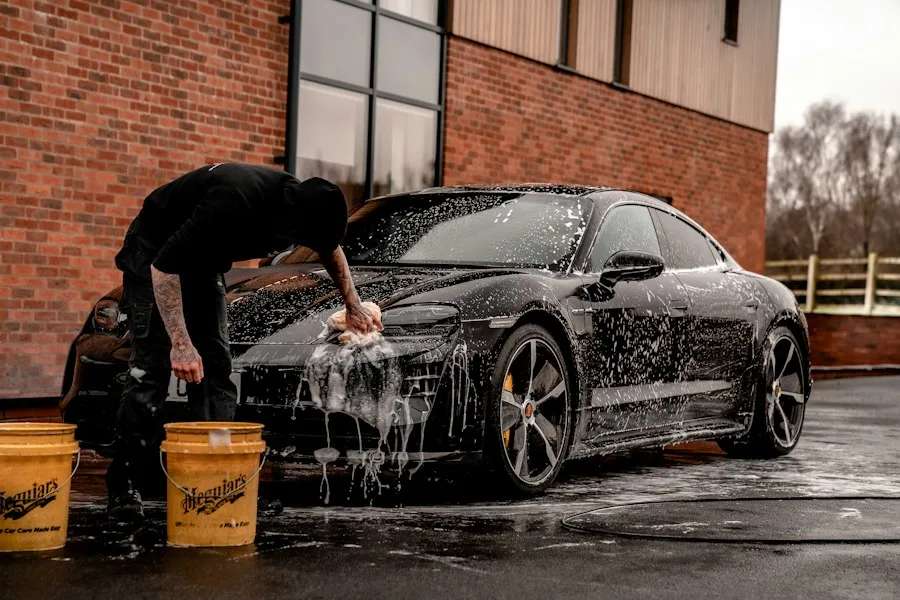
Paint Protection Film (PPF), originally developed for military helicopter rotor blades to prevent damage from sand and airborne gravel, has revolutionized modern automotive preservation. Modern automotive PPF is primarily manufactured from Thermoplastic Polyurethane (TPU), a high-durability polymer known for its high elasticity, tensile strength, and optical clarity.
How TPU Self-Healing Works
The top layer of premium TPU film contains an advanced elastomeric polymer matrix. When light physical abrasions—such as wash-induced swirl marks, minor bush scuffs, or towel marring—occur on the surface, these polymer chains are displaced rather than permanently broken. When heat is introduced (from ambient sunlight, engine warmth, or warm water), the molecules naturally rearrange themselves back into their original uniform orientation. As a result, surface scratches appear to vanish spontaneously.
Key Takeaway: PPF is the only automotive protection technology that offers genuine physical absorption against rock chips and gravel stones launched at highway speeds.
Why Factory Paint Needs PPF in Pakistan
Modern automobile manufacturers are required to use eco-friendly waterborne paint systems, which are significantly softer and thinner (often measuring only 90 to 130 microns in total thickness) than solvent paints used decades ago. In regions like Sambrial and Sialkot, where road construction, truck traffic, and gravel debris are common, unprotected clear coat can sustain severe stone pitting within months of showroom delivery. Installing PPF preserves the irreplaceable factory paint in pristine condition.
Ceramic Coating
5 Min Read
• Article 02 of 10
Benefits of Ceramic Coating for Your Car
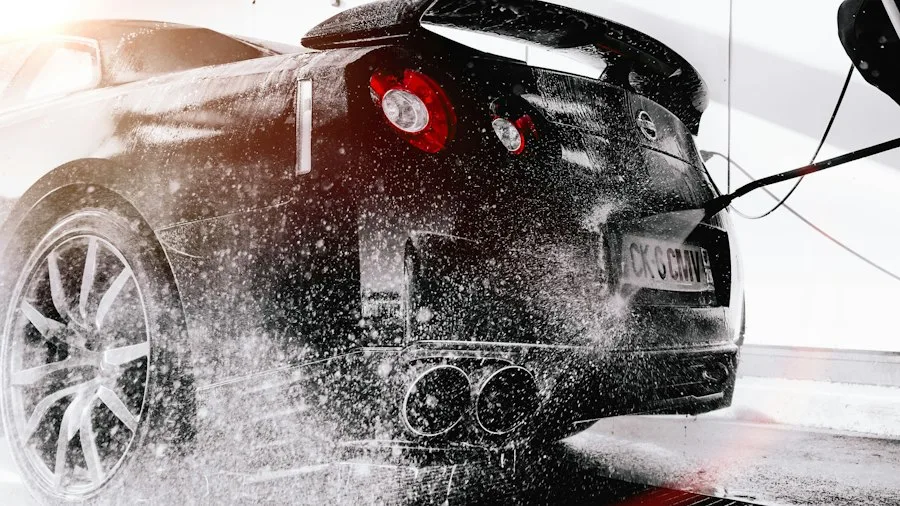
Unlike traditional organic carnauba waxes that sit loosely on top of the clear coat and wash away after several weeks, a professional Nano Ceramic Coating forms semi-permanent covalent bonds with the vehicle's clear coat at a microscopic molecular level.
The Science of Hydrophobicity
High-purity Silicon Dioxide (SiO2) creates a cross-linked crystalline matrix that fills microscopic pores in the automotive clear coat. This produces an exceptionally high water contact angle (typically exceeding 110 degrees). Water and liquid contaminants are unable to flatten across the surface; instead, they bead up into tight droplets that roll off the body panels, encapsulating surface dirt and dust along the way. This is known as the "self-cleaning" effect.
Protection Against Chemical Staining
Bird droppings, tree sap, and acid rain contain potent organic acids that can etch into hot clear coat in a matter of hours under direct sunlight. Ceramic coating provides a hard, chemically inert sacrificial barrier that resists chemicals across a broad pH spectrum (typically pH 2 through pH 12), preventing severe etching into your vehicle's base paint.
Studio Recommendation: To maximize ceramic performance, your car must undergo proper multi-stage paint correction first. Applying ceramic over swirls seals those defects beneath the coating.
Comparison Guide
7 Min Read
• Article 03 of 10
PPF vs Ceramic Coating: Which One Does Your Car Need?

One of the most frequent questions we receive at Crazy Car Center is: "Should I choose Paint Protection Film or Ceramic Coating?" While both preserve your car’s visual appeal, they address completely different threat categories.
Core Functional Differences
| Feature |
Paint Protection Film (PPF) |
Nano Ceramic Coating |
| Primary Function |
Physical impact absorption & chip defense |
Chemical resistance & hydrophobic gloss |
| Material Thickness |
Approx. 150 – 200 microns |
Approx. 2 – 4 microns |
| Rock Chip Resistance |
High (Absorbs flying gravel) |
Zero (Cannot stop rock impacts) |
| Self-Healing |
Yes (Under natural heat) |
No |
| Maintenance Ease |
Good |
Exceptional (Extreme water beading) |
The Ultimate Hybrid Strategy
The gold standard for automotive preservation is a hybrid installation: install Paint Protection Film on the high-impact frontal zones (front bumper, bonnet, front fenders, headlights, and side mirrors) to stop rock chips, and apply Nano Ceramic Coating over the entire vehicle (including over the PPF and the remaining rear panels). This gives you complete physical defense where debris hits, and hyper-slick hydrophobic cleaning everywhere else.
Maintenance
5 Min Read
• Article 04 of 10
How to Maintain Your Car's Paint in Daily Driving
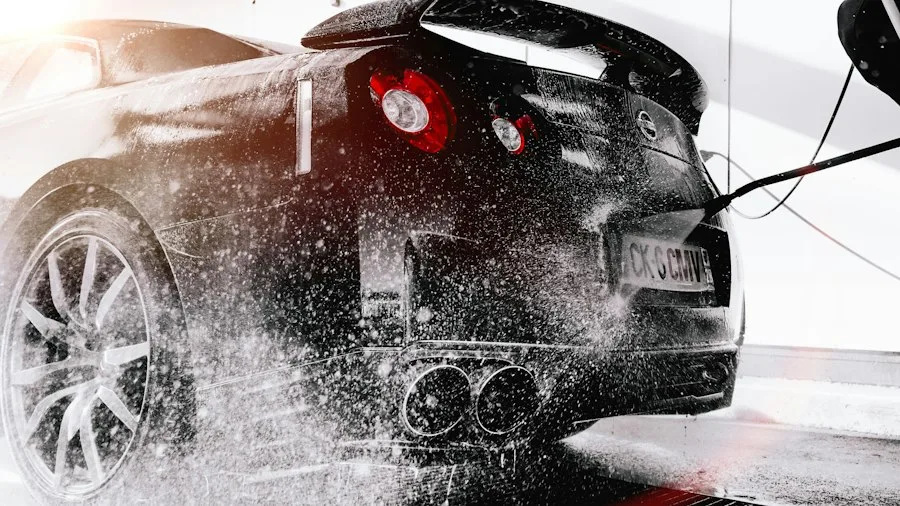
Over 80% of paint swirl marks and scratches are not caused by road driving, but by improper washing techniques. Follow these proven principles to keep your paint looking showroom-fresh:
1. Never Use a Dry Cloth or Duster
Wiping dry dust off your car with a cloth or dry duster drags abrasive quartz dust particles across your clear coat, leaving thousands of microscopic scratches that dull the paint under direct sunlight.
2. Adopt the Two-Bucket Wash Method
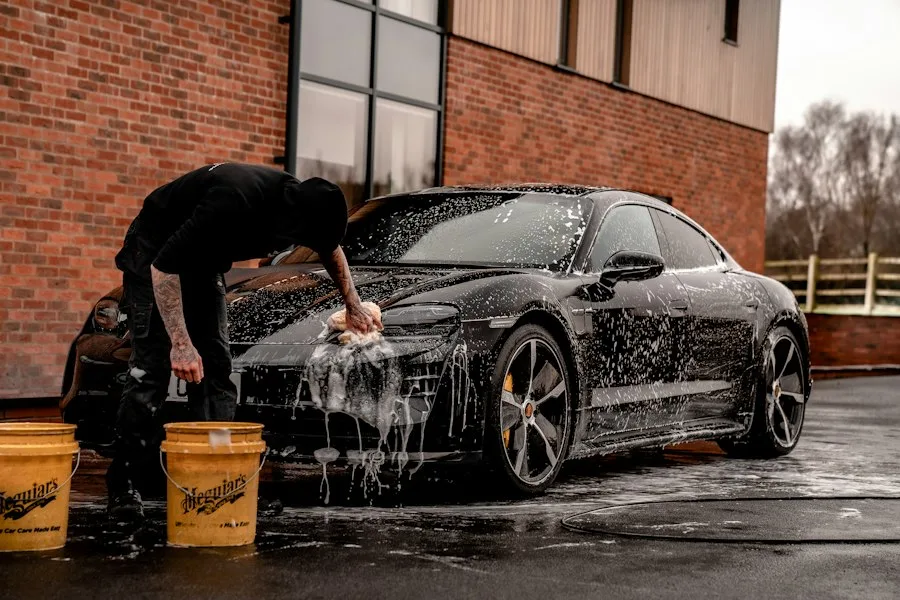
Use two separate buckets during washing: one bucket with pH-neutral car shampoo, and a second bucket with clean rinse water fitted with a Grit Guard. Dip your wash mitt into the soapy bucket, wash one panel, then rinse the dirty mitt in the clean water bucket before reloading with soap. This prevents trapped sand from being scrubbed back into the paint.
3. Switch to Plush Microfiber Drying Towels
Discard traditional chamois leathers and household cotton towels. High-GSM plush microfiber towels absorb water without friction, and touchless air blowers are ideal for mirrors, grilles, and badges.
Industry Insights
5 Min Read
• Article 05 of 10
Why Professional Car Detailing Is Important
Most commercial car washes prioritize speed over safety, washing dozens of cars per hour with recycled abrasive water and harsh dishwashing liquids that strip factory wax and dry out rubber seals.
Professional Automotive Detailing is an art and science dedicated to systematic restoration and long-term protection. At Crazy Car Center, we spend hours meticulously purifying and restoring each surface using:
- Non-destructive paint depth gauges to preserve clear coat reserves.
- pH-neutral chemical decontamination agents that dissolve iron brake fallout without acid etching.
- Dual-action polishers that rotate and oscillate simultaneously to disperse heat and prevent paint burn-through.
- Steam extraction systems that eliminate deep-seated cabin bacteria and allergens safely.
Professional detailing protects your investment, maintains vehicle dignity, and ensures substantial financial return upon eventual resale.
Interior Hygiene
4 Min Read
• Article 06 of 10
Benefits of Interior Deep Cleaning and Sanitization
While car owners wash exterior paint regularly, the interior cabin is where you spend hours every day breathing enclosed air. Studies consistently show that an unmaintained car interior can harbor millions of bacterial colonies, dust mites, and fungal spores.
Protecting Leather from Hardening
Automotive leather is finished with a thin protective polyurethane topcoat. When sweat, body oils, and fine grit accumulate, friction from clothing wears down this topcoat, causing unsightly shiny patches, stiffness, and cracking. Gentle foaming leather cleaners remove body oils, while organic conditioners restore natural flexibility.
AC Evaporator and Duct Disinfection
In hot, humid weather, condensation accumulates inside vehicle air conditioning coils, creating an ideal breeding ground for mildew and mold. Our interior deep cleaning uses antimicrobial steam and ventilation sanitizers to neutralize foul odors at their source.
Paint Preservation
5 Min Read
• Article 07 of 10
How to Protect Your Car from Scratches and Swirl Marks
Preserving scratch-free paint requires a combination of smart habits and sacrificial protective films:
Strategic Parking Habits
Avoid parking under sap-dripping trees or directly beside poorly parked commercial vehicles. If possible, park in shaded, well-lit spaces where other motorists have ample room to open their doors without impacting your bodywork.
Sacrificial PPF for High-Risk Panels
Door handle cups, door edges, boot loading sills, and rear bumper tops are notorious scratch zones. Installing clear TPU film on these high-touch zones completely eliminates fingernail gouges and luggage scrape marks.
Prompt Chemical Removal
Never scrub dried bird droppings with a dry tissue. Carry a small spray bottle of detailing spray and a clean microfiber. Saturate the contaminant, allow it to soften for 60 seconds, and gently lift it away without dragging it across the paint.
Local Weather Care
6 Min Read
• Article 08 of 10
Best Car Care Tips for Pakistani Weather (Summer Heat, Dust & Monsoon)
Operating a vehicle in Punjab, Pakistan presents unique climatic challenges for automotive paints and interiors. Extreme summer heat exceeding 45°C, high UV radiation indices, fine airborne alluvial dust, and heavy monsoon rains demand specific precautions:
1. Combatting Solar UV Oxidation
Intense ultraviolet rays degrade paint resin and bleach interior dashboards. Always use a reflective windshield sunshade when parked outdoors, and ensure your paint has a durable UV-inhibiting coating or PPF layer.
2. Managing Monsoon Rain and Water Spot Etching
Rainwater in industrial and agricultural zones absorbs atmospheric pollutants, creating mild acid rain. When rain evaporates rapidly on hot bonnet panels under sudden sunshine, mineral deposits bake into the clear coat, forming severe etched water spots. Applying a hydrophobic ceramic coating prevents water from pooling and baking onto the clear coat.
3. Engine Bay Maintenance After Dust Storms
Summer dust storms fill radiators and engine air intakes with fine silt. A monthly engine bay blow-out and safe degreasing at Crazy Car Center maintains cooling system efficiency and prevents belt squeals.
Detailing Schedule
4 Min Read
• Article 09 of 10
How Often Should You Detail Your Car?
Detailing frequency depends largely on whether your car is garaged, daily highway driven, or exposed to open street parking:
- Every 1 to 2 Weeks: Maintenance scratch-free two-bucket foam wash and interior vacuum.
- Every 3 to 4 Months: Paint chemical decontamination, iron fallout removal, clay bar, and protective polymer sealant / wax re-application.
- Every 6 Months: Interior deep steam cleaning, leather conditioning, and windshield glass rain repellent re-application.
- Every 1 to 2 Years: Multi-stage paint correction inspection and ceramic coating maintenance topper application.
Following this structured schedule ensures your automobile remains in peak condition year-round without requiring aggressive remedial paint compounding.
Local Studio Guide
5 Min Read
• Article 10 of 10
Professional Car Detailing Services in Sambrial and Sialkot
Historically, vehicle enthusiasts in Sambrial and Sialkot had to travel to Lahore or Islamabad to access certified paint protection films and authentic multi-stage paint correction. Crazy Car Center was built to bring international studio standards directly to your doorstep.
Our Sambrial Studio Highlights
Conveniently situated in Nishat Colony, Near New Clock Tower, Sambrial, our studio features:
- Dedicated dust-free installation bays for bubble-free PPF installations.
- Modern dual-action polishers from international detailing manufacturers.
- Transparent digital paint thickness inspection and custom packages for sedans, hatchbacks, SUVs, and 4x4s.
- A verified 5.0-star customer rating on Google based on genuine client satisfaction.
Whether you have just taken delivery of a brand-new vehicle or wish to restore deep reflection to an older cherished automobile, Crazy Car Center provides the expertise and craftsmanship your vehicle deserves.